Additional information is summarized in the FAQ.
Experience Details
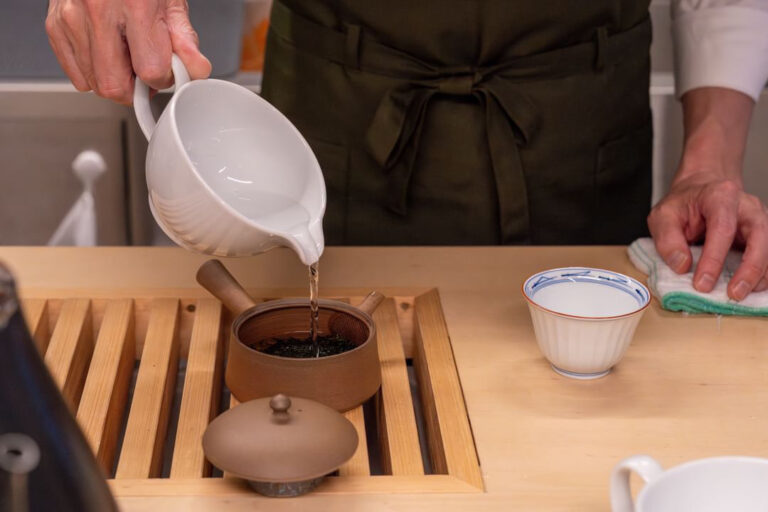
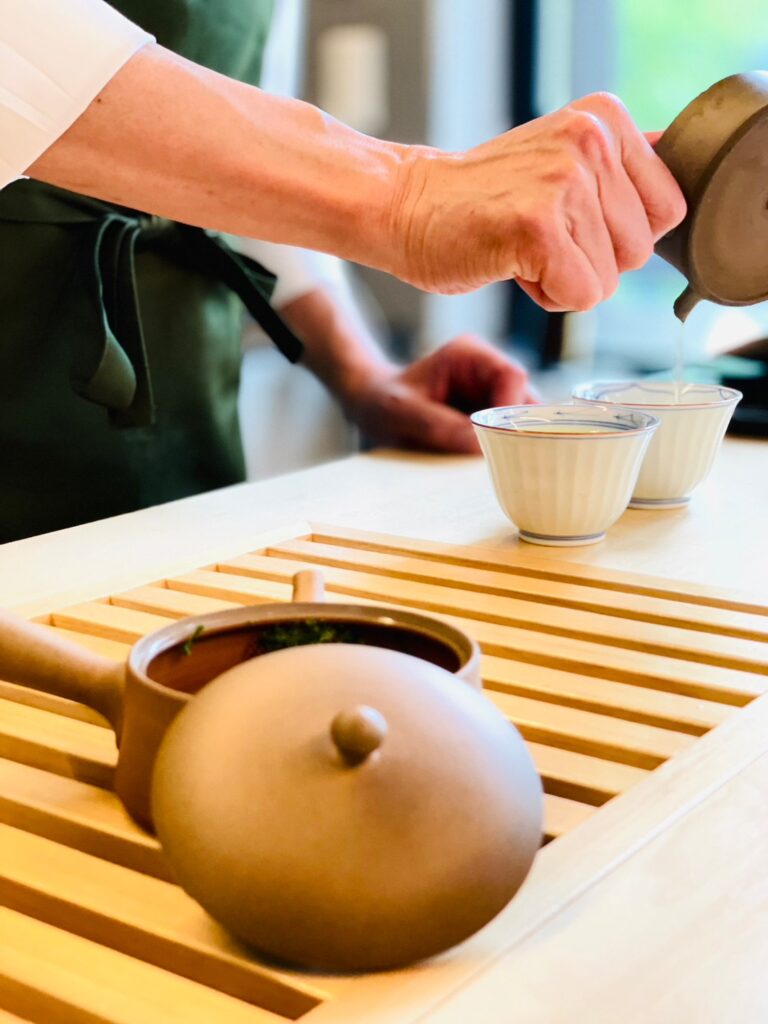
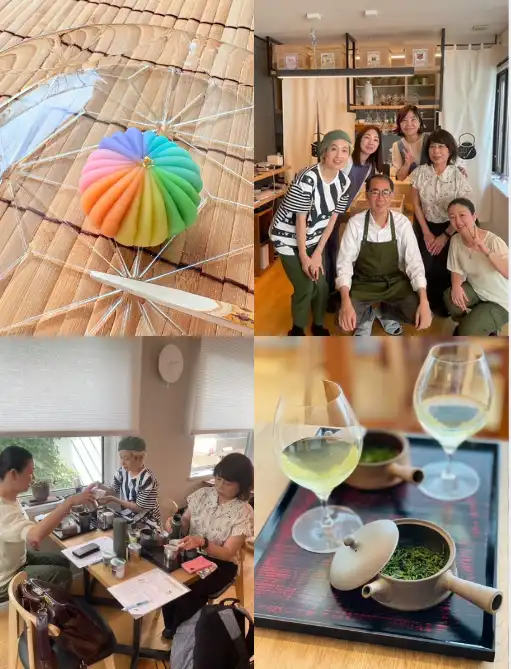
Learn the basics of Japanese tea—its history, varieties, and more—through provided materials, and then explore two types of sencha in a hands‑on session using different water temperatures.
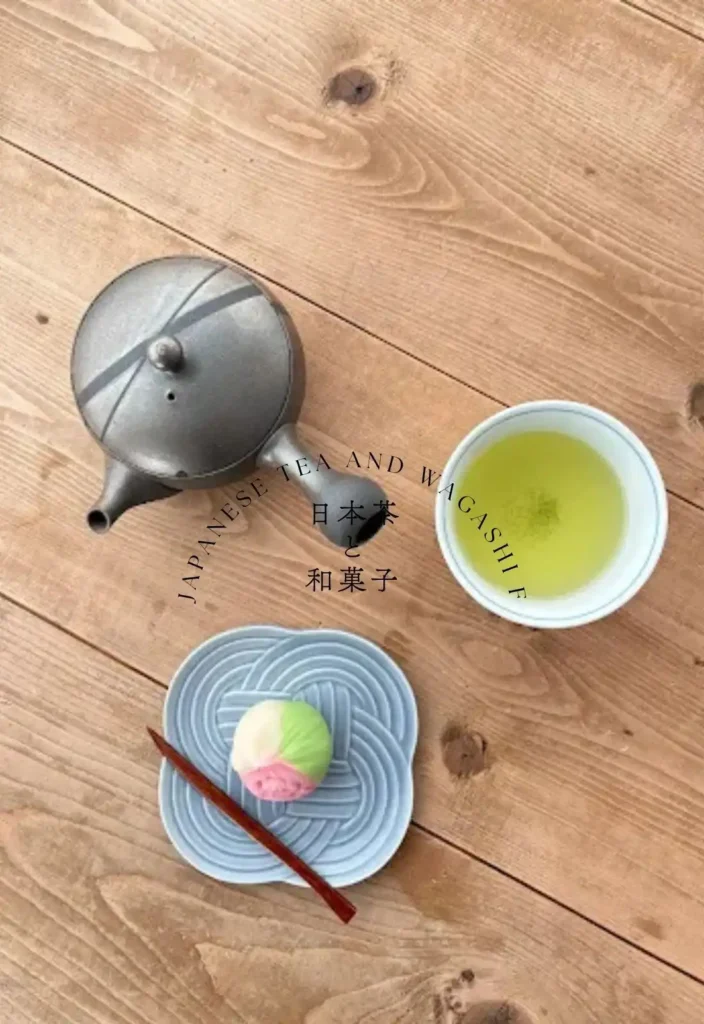
Seasonal fresh wagashi is included, and you will receive tea bags as a souvenir.
A surprising experience where “the flavor changes even with the same tea leaves.”
At lower temperatures, the gentle sweetness and umami become more pronounced, while higher temperatures bring out a refreshing aroma and pleasant astringency.
Enjoying these delicate differences is, in itself, an expression of the culture and aesthetic sensibility of Japanese tea, which values subtle nuances.
Sencha also contains components with antioxidant properties and has relatively mild caffeine, making it a healthy drink suitable for daily enjoyment.
It is not merely a beverage to quench thirst, but a cup that calms the mind and offers a quiet, reflective moment.
A set where you can choose your preferred sencha and a seasonal wagashi. Enjoy the refined aroma and flavor of carefully brewed sencha.
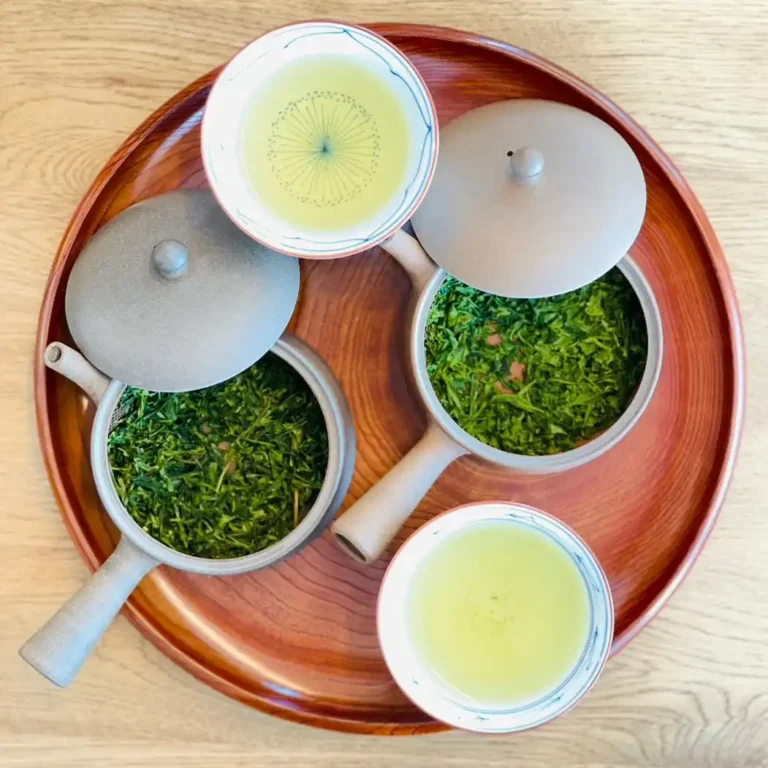
A set that allows you to compare three different types of sencha.
Enjoy the distinct character, aroma, and flavor of each tea.
You can choose a cup of sencha from the day’s recommended selections.
We offer seasonal wagashi that pair beautifully with Japanese tea.
Our shop operates on a reservation‑priority basis.
Even without a prior reservation, we can seat you if there are available tables.
If you wish to secure your seat with certainty,
please make a reservation via our Instagram profile or website.
We also warmly welcome spontaneous visits whenever you feel like stopping by.
To ensure that everyone enjoys a pleasant and comfortable time, please review the following points before making a reservation.
Thank you for your understanding and cooperation.
Address / 〒064-0820 25-2-12 Odori Nishi, Chuo-ku, Sapporo, Hokkaido
Phone / 011-600-2826
Business Hours / Mon, Tue, Wed, Fri: 12:00–18:00 (Last Order 17:00) Sat, Sun & Holidays: 11:00–18:00 (Last Order 17:00)
Regular Closing Day / Thursdays, plus one additional irregular closing day per month
Payment Methods / Cash, major credit cards (VISA, Master, JCB, AMEX, Diners), electronic money, and QR code payments
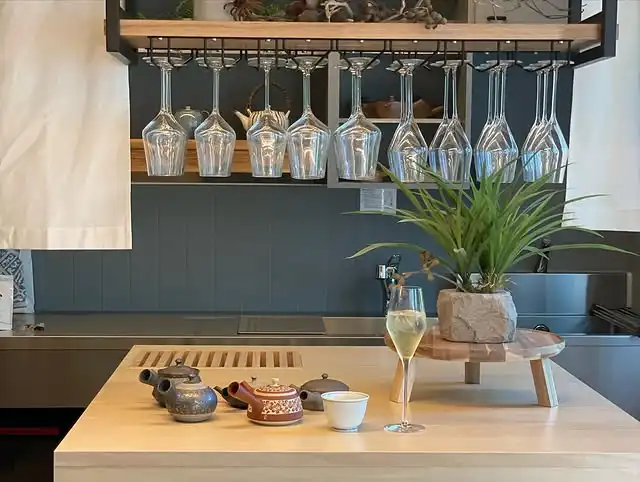
Other Information / All seats are non‑smoking. Total seating: 8 seats.
Access / A 2–3 minute walk (approx. 94 m) from Maruyama‑Koen Station on the Tozai Subway Line.
Surprisingly, the tea that Japanese people drink every day is not matcha.
The tea we are most familiar with is sencha.
Its current production method was established in the Edo period, allowing us to enjoy its refreshing aroma and vibrant green color.
From breakfast to dinner, sencha is the everyday tea that has always been part of Japanese dining.
That is what sencha is.
Matcha has long been enjoyed in tea ceremonies and in special hospitality settings.
Sencha, on the other hand, is the tea that has accompanied the daily lives of Japanese people.
Family gatherings, conversations with friends—sencha has always been there.
If matcha represents “special moments,” sencha is the tea for “everyday moments.”
Both are essential teas that support Japan’s tea culture.
Did you know that you can enjoy three different flavors from the very same tea leaves?
The first infusion offers a mellow sweetness and rich umami.
The second infusion brings out a more fragrant, aromatic character.
The third infusion leaves a refreshing aftertaste.
All of this comes from the same tea leaves.
By adjusting the water temperature and steeping time, the aroma and flavor gradually change.
Rather than simply drinking a cup of tea, you savor the transformation that unfolds from a single leaf.
This is the essence of Sencha San‑sen—the three‑infusion experience.
Did you know that tea also has different cultivars, just like wine has Chardonnay or Pinot Noir?
There are tea cultivars known for their sweetness, others for their deep umami, and others for their refreshing aroma.
Even when drinking sencha, the flavor changes depending on the cultivar.
It’s not only the tea cultivar that determines the flavor of tea.
In fact, sencha, hojicha, and even black tea all come from the same tea plant.
What creates the differences is the processing method.
Steaming, fermenting, roasting—
even with the same leaves, changing the process dramatically alters the aroma and taste.
If the cultivar represents the natural character of the leaf,
the processing method is the craftsmanship that brings out its expression.
Surprisingly, both are made from the same tea plant.
They do not come from different species—the difference lies in the processing method.
Black tea is made by allowing the tea leaves to wither, rolling them, and exposing them to air so they oxidize.
Through this process, the leaves change from green to brown, developing rich aromas reminiscent of flowers and fruits.
Sencha, on the other hand, is steamed immediately after harvesting to stop oxidation.
This preserves the fresh, green-leaf aroma, as if the leaves were just picked.
Simply changing the method creates completely different teas.
Black tea is a tea for enjoying transformation.
Sencha is a tea for enjoying freshness.
Additional Notes
Although “Cha no Ki” is written in katakana here, the academically correct notation for referring to the tea plant is also “チャの木.”
Recently, you may have seen more “Japanese black tea” (wa‑kōcha).
This type of tea is made by oxidizing tea leaves originally grown for sencha.
Of course, depending on the cultivar, some varieties are more suitable for this process than others.
For your reference.
© CEDARS Communications Co.,Ltd. all right reserved. 悠悠北海道 ®